2024 Architectural Design Trends: Transforming Our Spaces
As we step into 2024, it’s clear that architectural design is not just about aesthetics anymore, it’s become a dynamic blend of functionality, sustainability, and technology. Imagine walking into a home that not only looks stunning but also knows when to adjust its lights based on the time of day or the mood you’re in. It’s like having a personal assistant, but much cooler. Join us as we explore the top architectural design trends that are set to redefine our spaces this year and beyond. Spoiler alert: we’re all about going green, tech integration, and a dash of nostalgia.
Sustainability and Eco-Friendly Practices
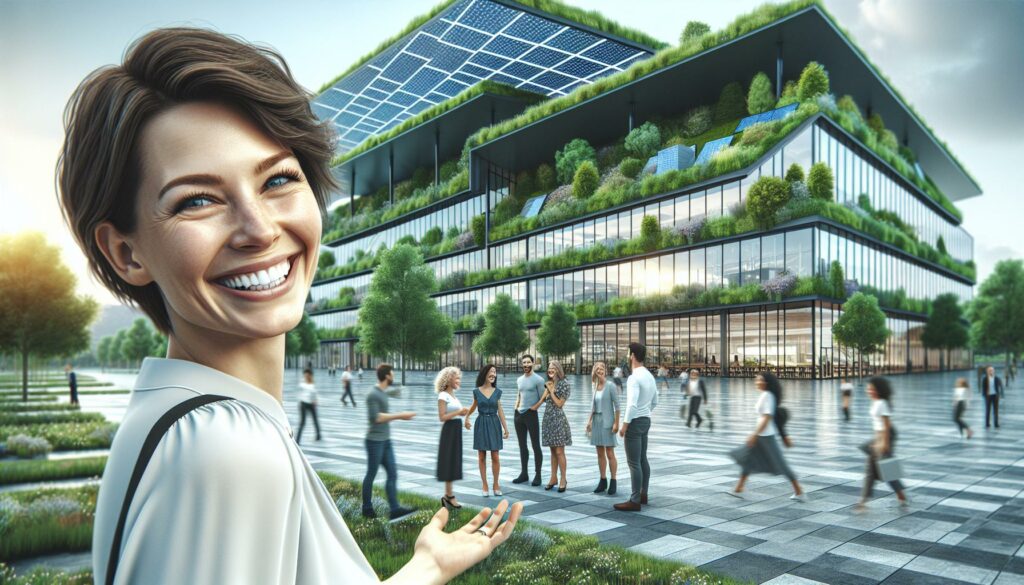
In 2024, sustainability is not just a trend: it’s a necessity. We’re seeing a strong shift towards eco-friendly materials, energy-efficient designs, and innovative construction practices. From using reclaimed wood to installing solar panels, our buildings are becoming a testament to our commitment to a greener planet. Also, green roofs and living walls are not only visually appealing but also help improve air quality and insulation. We, as architects and designers, are now prioritizing sustainability at every stage, ensuring our projects respect and nurture the environment.
Smart Buildings and Technology Integration
Remember when homes had just the basic gadgets? Well, those days are long gone. In 2024, smart buildings equipped with advanced technology are becoming commonplace. Imagine controlling your home’s heating, lighting, and security with just a tap on your phone. We’re seamlessly integrating IoT devices that provide real-time data about energy consumption, aiding us in making informed decisions about our spaces. Not to mention the added convenience and security. Smart design is not just about improving efficiency: it enhances our quality of life.
Emphasis on Biophilic Design
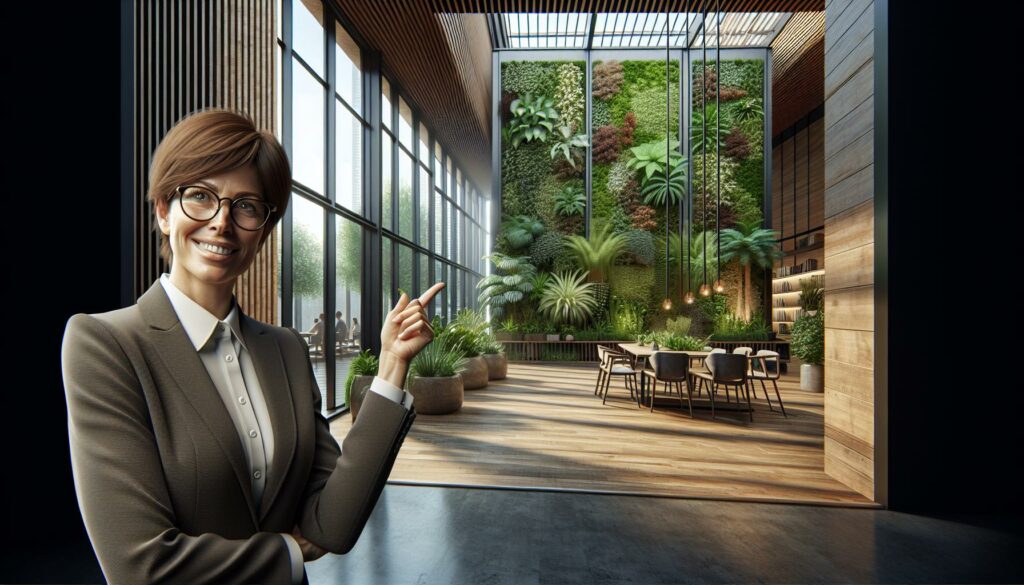
Biophilic design is gaining traction, and it’s not hard to see why. We thrive when connected to nature, so designs that incorporate natural elements are becoming increasingly popular. Think large windows that invite in natural light, indoor gardens, and layouts that enhance natural ventilation. In our homes and workplaces, we are incorporating materials like stone, wood, and plants to foster that connection. It’s not just about aesthetic appeal: it’s about promoting well-being and productivity. And let’s be honest, who doesn’t want a little more greenery in their life?
Flexible and Adaptable Spaces
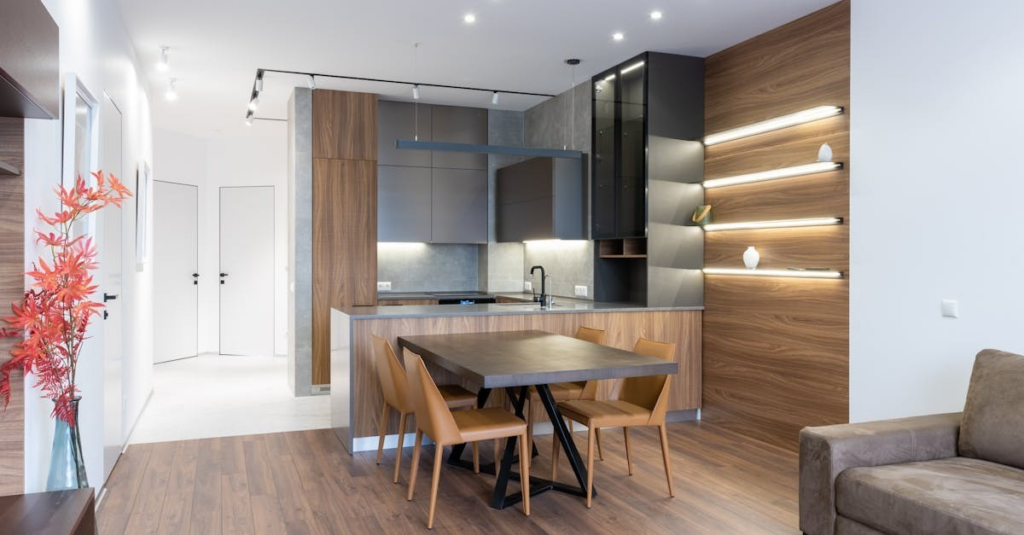
Life is unpredictable, and our spaces should reflect that. The trend towards flexible design is all about creating adaptable spaces that can evolve with us. In 2024, we are designing multi-functional rooms that can serve various purposes, think home offices that transform into guest rooms or living spaces that can change layout based on our needs. This adaptability is essential in a world where remote work and home life often blend. It brings a sense of freedom to our environments that we truly value.
Revival of Historical Aesthetics
Nostalgia is making a comeback in the architectural world. While innovative designs lead the way, there’s a growing appreciation for historical aesthetics. In 2024, we’re witnessing a revival of classic styles infused with modern elements. Whether it’s incorporating Victorian charm into contemporary homes or using Art Deco motifs in urban buildings, this trend embraces the beauty of the past while catering to modern needs. We get to celebrate craftsmanship and character, creating spaces that tell stories.