
When we think about the future, we envision sleek designs and state-of-the-art technology harmonizing with nature. Modern sustainable architecture not only meets our aesthetic desires but also caters to our planet's needs. It's like the superhero of the construction world, swooping in to save the day while being stylish. So, grab a granola bar and let's jump into how we're crafting spaces that are good for us and even better for Mother Earth.
Defining Modern Sustainable Architecture
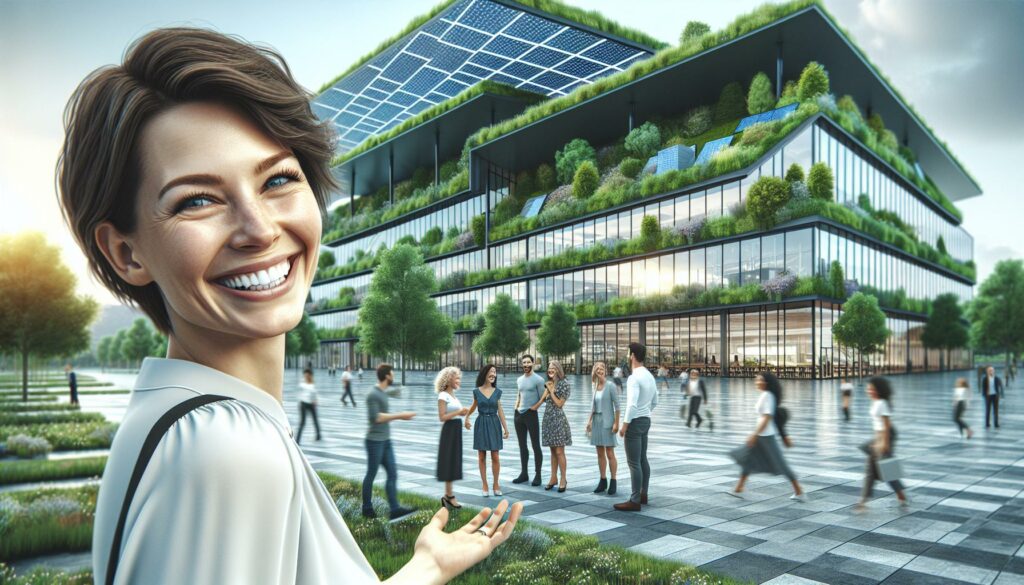
Modern sustainable architecture goes beyond just fancy words or trendy styles. It's a philosophy and a practice aimed at minimizing environmental impacts while maximizing efficiency in how we design and build. We embrace buildings that meld seamlessly with their environment, use renewable resources, and create spaces that enhance our quality of life. Picture structures that harness solar energy, collect rainwater, and improve indoor air quality, these are the hallmarks of how we define modern sustainable architecture.
Key Principles of Sustainable Design
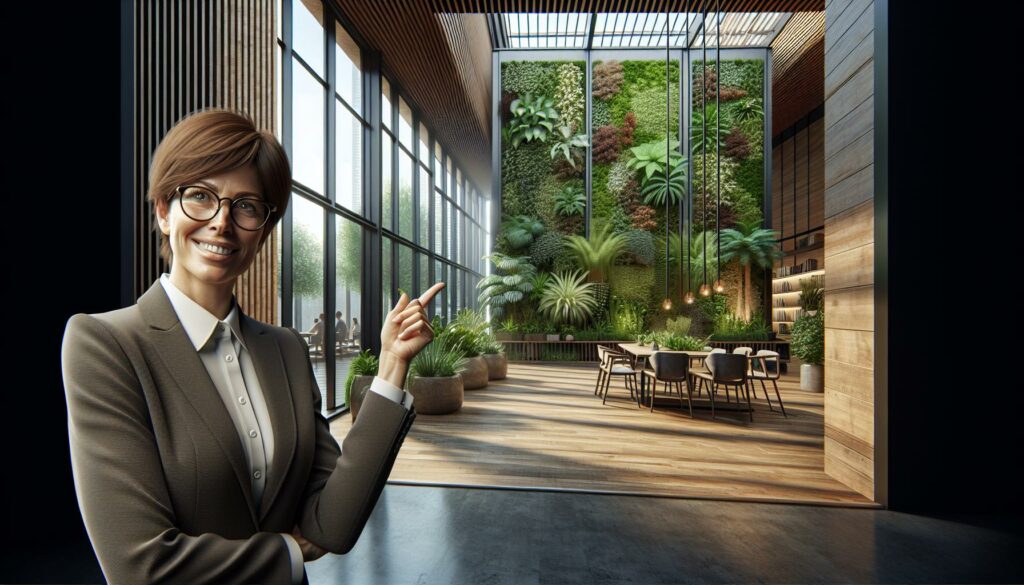
At the heart of sustainable architecture are a few guiding principles. First, we prioritize energy efficiency. This involves designing buildings that require less energy to operate and utilizing smart systems that help us manage that energy effectively. Second, we focus on material selection: opting for locally sourced, renewable, or recycled materials can vastly reduce our carbon footprint. Third, we consider the social impact of our designs, ensuring that they are inclusive and beneficial to the communities surrounding them. Finally, integrating nature into our designs, think green roofs and living walls, helps us reconnect with the environment.
Innovative Materials and Technologies
When we talk about innovation in sustainable architecture, we have to highlight the game-changing materials and technologies that are transforming the landscape. For instance, lightweight composites and low-impact construction techniques help reduce waste. Also, we're seeing an increase in the use of prefabricated components, which not only speeds up construction times but also minimizes material waste. Technologies like smart building systems, which adjust lighting and temperature based on occupancy, further enhance energy efficiency. These advancements make sustainability not just possible but also practical.
Case Studies of Sustainable Architecture
Let's explore a few shining examples of modern sustainable architecture. The Edge in Amsterdam stands at the forefront, with its advanced energy management systems and innovative use of natural light. Another prime example is the Bosco Verticale in Milan, a residential complex that incorporates over 9,000 trees, yes, you read that right, creating an urban forest that filters air and reduces energy need. By studying these successful projects, we gain insights into practical applications of sustainable principles that we can adapt in our communities.
Challenges in Implementing Sustainable Practices
Even though the benefits, we face several challenges when implementing sustainable practices. The initial cost can be daunting: while sustainable materials and technologies often save money in the long run, the upfront investment is a barrier for many. Also, a lack of understanding or training among contractors and architects can hinder the proper execution of sustainable designs. We also need to contend with regulatory hurdles that may not yet support innovative building techniques. Overcoming these challenges requires collaboration, education, and advocacy.
The Future of Sustainable Architecture
Looking ahead, the future of sustainable architecture is incredibly promising. We anticipate a surge in advancements that will make green building practices not only more accessible but also common. Innovations like carbon capture technologies and improved energy storage systems are on the rise, which could revolutionize how we view energy consumption in buildings. Also, as consumer awareness and demand for sustainability increases, the architecture field will likely adapt to include more eco-friendly practices in mainstream designs.